Insights
Can a Bad Pillow Cause Insomnia? The Hidden Connection
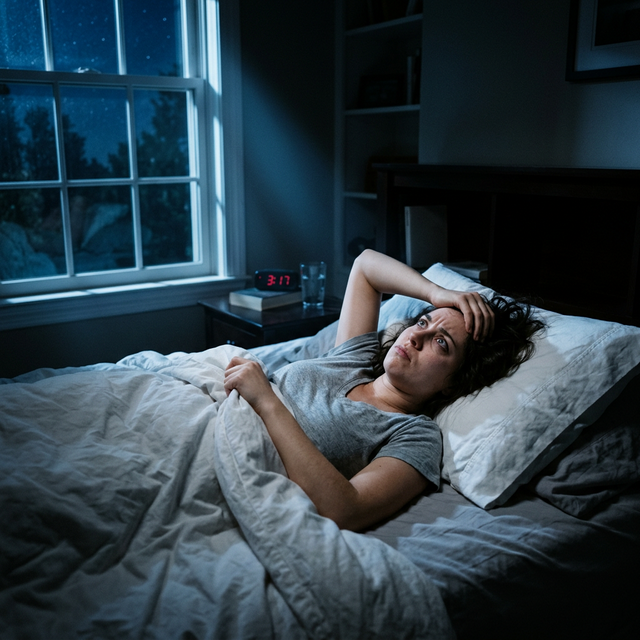
You’ve tried everything. You drink chamomile tea, you read a book before bed, you’ve blacked out your windows, and you turn your phone off at 9 PM. Despite practicing perfect sleep hygiene, you still stare at the ceiling at 3 AM.
Before you ask your doctor for sleeping medication, you need to look closely at the physical environment of your bed. Specifically, what is your head resting on?
Can a bad pillow cause insomnia? Yes, it can, and it does so more often than most people realize. The connection between physical discomfort and neurological wakefulness is the secret saboteur behind millions of sleepless nights.
The Anatomy of “Micro-Awakenings”
True insomnia isn’t always caused by a racing mind or anxiety. Sometimes, it is purely physical.
When you fall asleep, your brain needs to pass through several stages of sleep to reach deep, restorative REM (Rapid Eye Movement) sleep. If you are sleeping on an old, flat, or overly firm pillow, your cervical spine (neck) is forced out of alignment.
Your body is incredibly sensitive to pain and pressure. When your neck muscles are strained or pinched because of poor support, your brain perceives this as a threat. To protect your spine, your brain pulls you out of deep sleep into a lighter stage of sleep simply so you can adjust your position.
Why You Feel So Exhausted
These are called “micro-awakenings.” You might not even fully remember waking up. You just know that you tossed, turned, flipped the pillow, and went back to sleep. But chemically, the damage is done. Your sleep cycle is shattered. Because you never spend enough unbroken time in REM sleep, you wake up feeling like you haven’t slept at all - the hallmark symptom of insomnia.
The Cognitive Toll on Professionals
The destruction of REM sleep has devastating consequences for your brain. During deep sleep, your brain consolidates memories, processes complex information, and flushes out neurotoxins. If you are a high-performing individual, or if you are actively preparing for intense career milestones like studying for CISI certification exams, sacrificing your sleep quality to a bad pillow will obliterate your cognitive retention and daily focus. You cannot perform at an elite level if your brain is constantly interrupted by physical discomfort during the night.
The Temperature Trap
Beyond physical alignment, traditional bad pillows cause insomnia through temperature regulation - or the lack thereof. Cheap polyester and dense down pillows act as insulators, trapping the heat that radiates from your head.
Your core body temperature naturally needs to drop in order to initiate sleep. If your pillow is trapping heat against your face and scalp, it sends a physiological signal to your brain to stay awake and active to cool the body down.
Escaping the Insomnia Cycle
You cannot out-medicate a bad sleeping environment. If your pillow is physically preventing your body from relaxing, you will never achieve deep rest. In fact, your pillow may be sabotaging more than just your sleep.
The solution is structural. You need a pillow that provides two distinct advantages:
- Adaptive Ergonomic Support: This eliminates the pressure points that cause micro-awakenings.
- Active Cooling Technology: This prevents the heat-trap effect that keeps your brain hyper-alert.
The Siestly Pillow is crafted with gel-infused Active-Core memory foam. The gel actively pulls heat away from your head, maintaining the perfect, cool microclimate needed to initiate sleep. Meanwhile, the advanced foam matrix creates a zero-gravity sensation for your neck, allowing your muscles to fully disengage.
When your body isn’t fighting your bed for comfort, true, unbroken sleep happens naturally. Replace your bad pillow with Siestly, and rediscover what a full night’s sleep feels like.
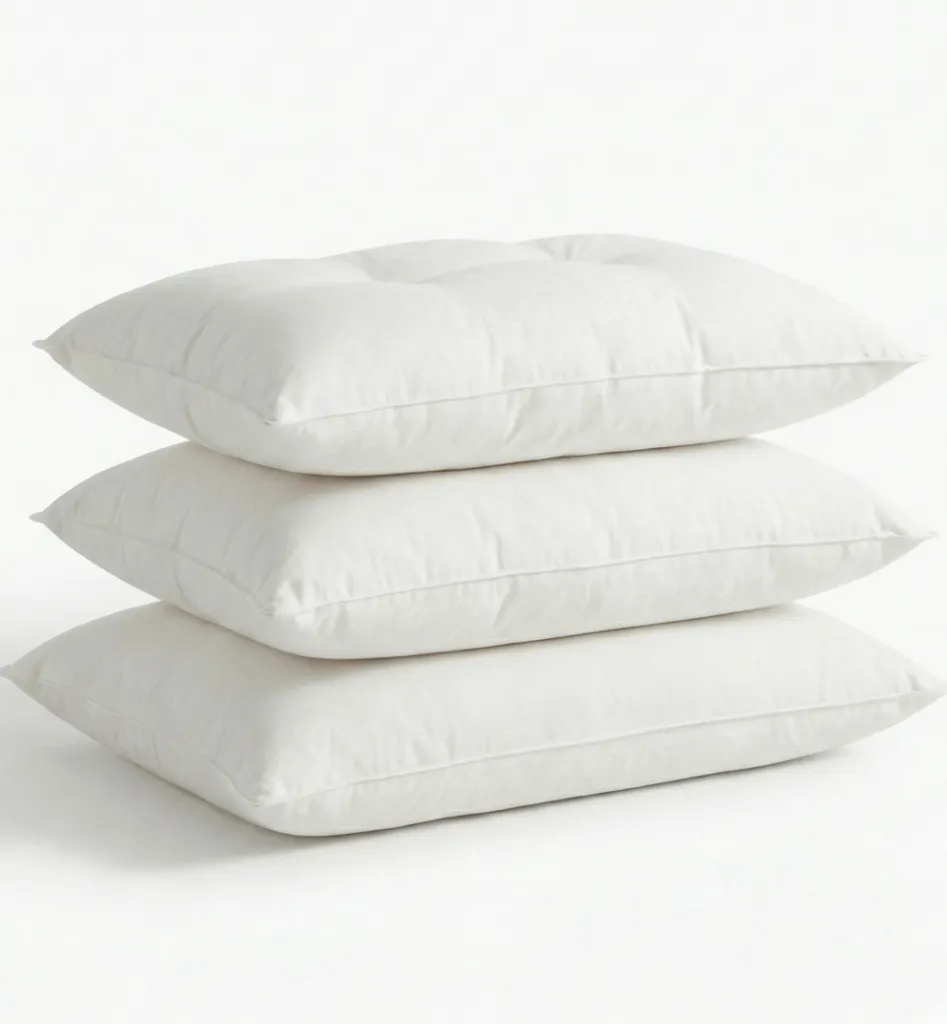
Experience True Alignment.
Say goodbye to morning neck pain and migraines. The Siestly pillow features a unique tufted design that cradles your head for perfect orthopedic support all night long.
Shop the Pillow