Insights
Black Stains on Pillow: What They Mean and How to Fix It
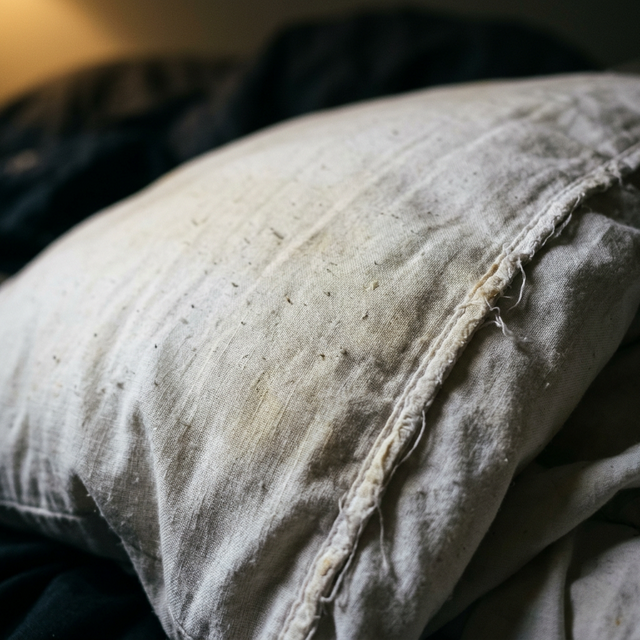
You take your pillowcase off to do your weekly laundry, and there it is - a cluster of mysterious, dark, unsettling black stains on the white fabric of your actual pillow.
It’s visually alarming, and for good reason. Your pillow is intimately close to your face, nose, and mouth for eight hours a night. Understanding what causes these black stains - and knowing when it’s time to throw the pillow away entirely - is critical for your respiratory health and sleep hygiene.
1. The Danger Zone: Black Mold and Mildew
The most concerning cause of black spots on a pillow is undoubtedly mold.
Your bed is accidentally the perfect breeding ground for fungal growth. Every night, your body releases heat, and you sweat (sometimes imperceptibly). You also breathe moisture directly into your pillow. Furthermore, many people go to bed with damp hair after a late shower.
If you sleep on a traditional cotton or down pillow, that moisture soaks deep into the dense fibers and stays trapped there in the dark, warm environment of your bedroom. Black stains are also closely related to the same oxidation process that causes yellow pillow stains - both are signs your pillow has become a health hazard. Over time, black mold and mildew spores begin to colonize inside the pillow, eventually bleeding through to the surface as small, dark, fuzzy black dots.
Why You Can’t Ignore It
Sleeping on a moldy pillow is actively dangerous. You are inhaling toxic spores deeply into your lungs for a third of your life. This frequently results in “unexplained” morning congestion, chronic sneezing, itchy eyes, and can severely trigger asthma attacks. If you suspect the black stains are mold - do not attempt to wash it. Throw the pillow away immediately.
2. Dried Blood (The “Bug” Problem)
If the dark spots look more like tiny rusty or dark brownish-black specks, rather than fuzzy mold, you might be dealing with dried blood.
This can happen harmlessly if you scratch a small blemish on your face during the night. However, if you consistently see small, distinct black/rust dots clustered near the seams of the pillow, it is a classic warning sign of bed bugs. These spots are their digestive waste (which is primarily digested blood). Inspect the seams of your mattress immediately if this is the case.
3. The Harmless Culprits: Cosmetics and Dyes
If you have acne-prone skin, a dirty pillowcase can make it worse. Establishing a solid skincare routine, such as using gentle teen skincare stages for breakout recovery, is just as important as washing your pillow.
Sometimes, the answer is benign. If you frequently fall asleep without thoroughly washing your face, waterproof mascara and heavy eyeliner can rub off and permanently stain the pillow fibers black. Similarly, if you use dark hair dyes or heavily pigmented dry shampoos, the friction during the night will transfer those dark pigments onto the fabric.
The Ultimate Fix: The Antimicrobial Siestly Upgrade
If you are dealing with mold stains because of dampness, buying another cheap cotton pillow will just restart the disgusting cycle.
You need a pillow engineered to breathe and resist moisture buildup. The Siestly Pillow is encased in a highly breathable, ultra-soft cooling cover that wicks away surface moisture before it can penetrate. More importantly, the internal solid Active-Core memory foam does not provide the dark, wet, fiber-dense environment that mold spores need to thrive.
Protect your lungs, stop sleeping on mystery stains, and upgrade your hygiene with the naturally hypoallergenic, deeply supportive Siestly Pillow. If you’re unsure whether your pillow is past its prime, check for other bad pillow symptoms that signal it’s time for an upgrade.
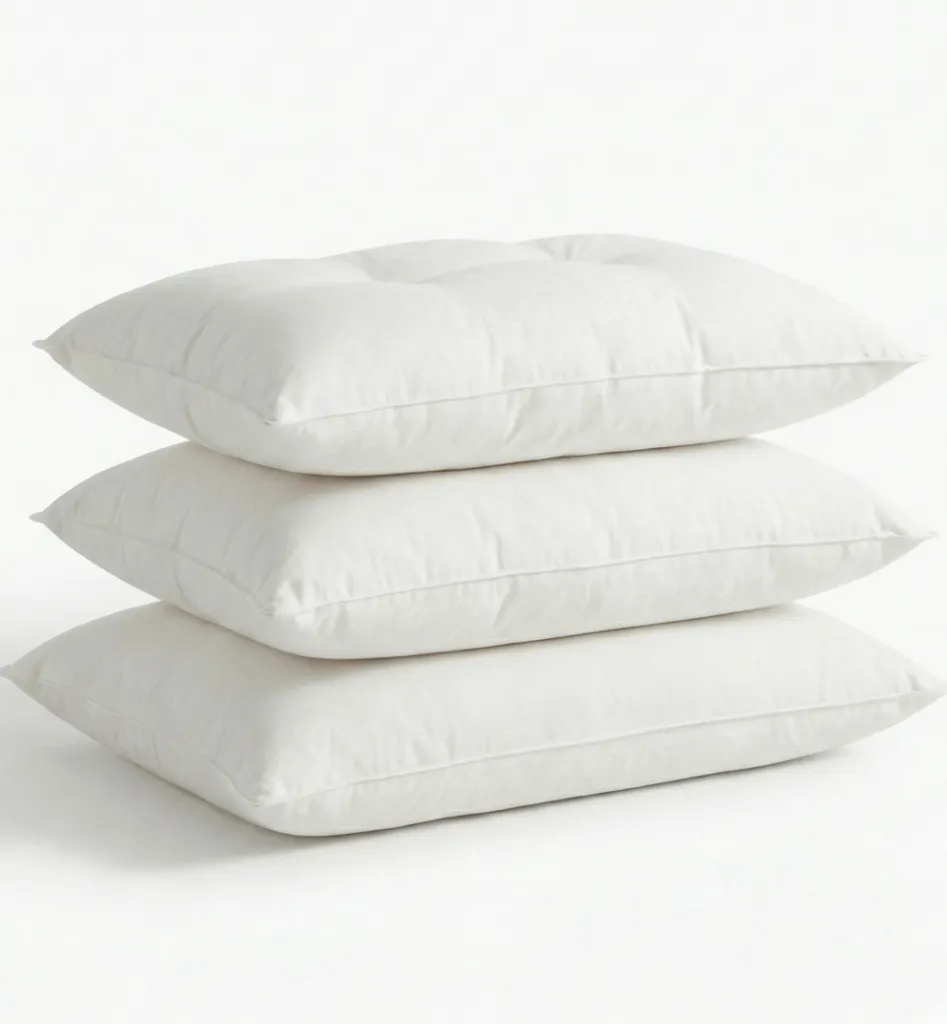
Experience True Alignment.
Say goodbye to morning neck pain and migraines. The Siestly pillow features a unique tufted design that cradles your head for perfect orthopedic support all night long.
Shop the Pillow