Insights
Is Your Pillow Secretly Sabotaging Your Health? 5 Surprising Truths for Better Sleep
Is Your Pillow Secretly Sabotaging Your Health? 5 Surprising Truths for Better Sleep
The Relatable Morning Struggle
Have you ever clocked a full eight hours of sleep only to wake up feeling like you have a “sleep hangover”? If you greet the day with a stiff neck, shoulder tension, or persistent morning headaches, the issue might not be how much you sleep, but how you are supported. Many people suffer from “sleep insufficiency” - a condition where sleep is not restful due to physical discomfort - which is distinct from the difficulty of falling asleep seen in insomnia.
This post reveals the most impactful and counter-intuitive takeaways regarding the humble pillow’s role in your physical and mental wellness. As it turns out, your pillow is either a tool for recovery or a silent saboteur of your spinal health.
1. The Rise of the “Depression Pillow”
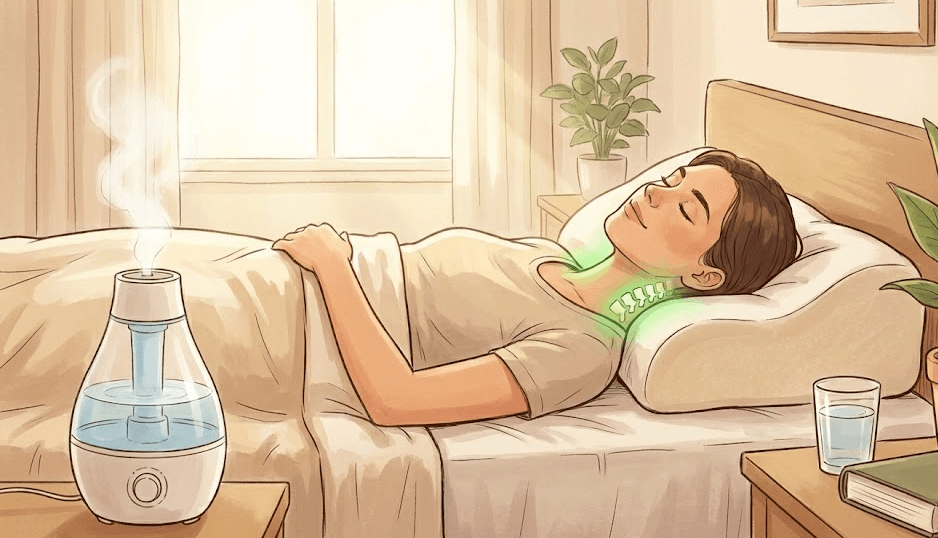
A pillow is more than just a place to rest your head; it is a nightly retreat that can actively alleviate mood-related sleep issues. Research indicates that proper “cervical lordosis support” - maintaining the natural curve of your neck - reduces side-bending and muscle tension. By mitigating these physical stressors, a supportive pillow helps prevent the somatic symptoms that often exacerbate depressive states.
The calming effect of physical comfort instigates a biological relaxation response, helping to ground an anxious nervous system. When the mind and body rejuvenate during uninterrupted sleep, the brain is better equipped to regulate emotion. Restoring this physical-mental link is a primary step in holistic wellness.
“The calming effect of resting your head on a soft, supportive surface can also instigate a relaxation response, which might help in mitigating anxiety and depression.”
2. The Radical Disparity in Pillow Lifespans
Most people keep their pillows for years, unaware they are sleeping on “structurally dead” objects that have lost all resilience. There is a radical disparity in how long different materials maintain their integrity before they begin to fail your spine. Keeping a pillow past its expiration date ensures chronic muscle tension and poor alignment.
- Polyester/Fiber Fill (Budget Option): 6–12 months. These fibers break down rapidly, leading to permanent flatness.
- Natural Latex (Investment Option): 10+ years. High-quality latex is naturally resilient, maintaining its bounce-back ability and shape for over a decade.
Investing in durable materials like natural latex isn’t just about comfort; it’s a long-term commitment to spinal health. A budget pillow that costs less upfront often ends up costing you more in terms of physical therapy and poor sleep quality over time.
3. The “Fold Test” and the Science of the 15-Degree Tilt
To determine if your pillow is dead, use the “Fold Test”: fold it in half, and if it stays folded rather than springing back, it has failed. However, a pillow that passes the Fold Test must still meet the clinical “Set-up for Spinal Sleep” (SSS) method to be considered functional. This method requires the cervical spine to be held at an anterior tilt angle of approximately 15 degrees from the bed surface.
Crucially, a functional pillow must follow the “5-mm rule”: it should not sink more than 5 mm under the weight of the head (roughly 4 kg) to maintain that precise 15-degree angle. While “contour” pillows are popular, they are often controversial among specialists because they can trap the head in a fixed position. A flat, adjustable surface is actually superior because it allows for “smooth turning,” where the shoulders and pelvis move in synchrony without recoil or effort.
4. Deep Touch Pressure (DTP) for the Anxious Mind
For those navigating high work stress or sensory processing needs, a weighted pillow can serve as a powerful grounding tool. These pillows utilize Deep Touch Pressure (DTP), a mechanism that mimics the sensation of a firm hug to calm the nervous system. This physical input triggers a neurochemical shift, stimulating the release of serotonin and dopamine while reducing cortisol levels.
Hugging a weighted or body pillow during rest provides a soothing sensory experience that can reduce the intensity of distressing emotions. By mimicking a “grounding” sensation, DTP helps the mind transition from a state of high alert into the parasympathetic “rest and digest” mode. This makes it an essential strategy for anyone whose anxiety prevents them from settling into deep sleep.
5. Your Pillow is a Bio-Accumulator (The Hygiene Horror)
Yellow stains and musty odors on your bedding are not just cosmetic; they represent a clinical buildup of body oils, sweat, and dead skin. Over time, “oxidation” and the “seepage” of these fluids turn your pillow yellow and into a bio-accumulator for allergens. According to the Asthma and Allergy Foundation of America, dust mites found in these environments impact up to 10% of the population.
This accumulation can worsen asthma, cause “morning stuffiness,” and contribute to skin issues like acne or dermatitis. Even if you wash your pillowcases weekly, the internal core of an old pillow remains a reservoir for germs and dirt. Black or dark stains on your pillow are a visible warning sign of this buildup. Maintaining high sleep hygiene is impossible if you are resting your face on years of biological waste.
“Pillows can become really nasty over time. They can accumulate germs, dirt, sweat, and oils, making them a real problem for those with sensitive skin.”
Conclusion: Investing in the “Third of Your Life”
Because you spend approximately one-third of your life in bed, your pillow should be viewed as a medical investment rather than a simple piece of bedding. Proper cervical alignment and high hygiene standards are non-negotiable pillars of long-term health. Replacing an old, ineffective pillow is the simplest way to upgrade your daily mental and physical performance.
If you are currently struggling with morning aches, it is time to audit your sleep environment. Ask yourself: If you wouldn’t wear the same t-shirt every day for three years without a deep clean, why are you trusting your health to a three-year-old pillow?